Monolid eyes are an eyelid type characterized by the absence of a distinct supratarsal crease, creating a smooth lid surface from the brow to the lash line. Commonly found among East Asian populations—but present across many ethnicities—monolids are a natural and attractive variation of eyelid anatomy. This guide explains the anatomy behind monolids, practical makeup tips to enhance them, and essential care recommendations to keep the delicate eyelid skin healthy.
Anatomy of Monolid Eyes
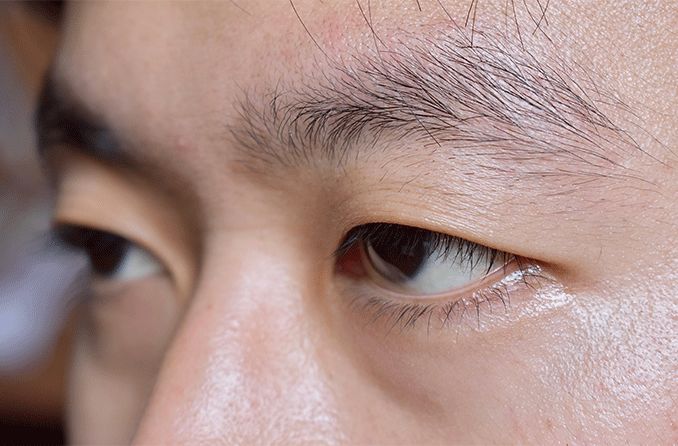
The defining feature of monolid eyes is a lack of a visible upper eyelid crease. Anatomically, this results from the way the levator aponeurosis (the tendon of the eyelid‑lifting muscle) attaches to the skin and tarsal plate. In people with a supratarsal crease, the levator connects in a manner that creates a fold when the eyelid lifts. In monolids, those attachments and the distribution of eyelid fat produce a smooth contour. Monolids vary: some have a faint pseudo‑fold close to the lashes, while others show a completely uninterrupted lid.
https://aestheticsurgeryvietnam.com/what-is-monolid-eyes
Common Characteristics
- Smooth eyelid surface without a deep fold - Variable eyelid fullness depending on fat pad distribution - Lashes that may appear to point slightly downward or be partially obscured by the lid - Greater surface area on the mobile lid, which affects how eyeshadow and liner appear - High diversity in presentation—no two monolids look exactly alike
Makeup Tips for Monolid Eyes
Makeup techniques for monolids focus on creating depth and the illusion of dimension without relying on a natural crease. - Create gradient depth: Apply a darker matte shade close to the lash line, blending upward to a lighter shade. This mimics a crease and adds dimensionality. - Tightline the upper waterline: Tightlining makes lashes look fuller and defines the eye subtly without heavy liner. - Emphasize lash curl: Use an eyelash curler and lengthening mascara to open the eye; curled lashes lift the appearance of the lid. - Use elongated shadow shapes: Extending eyeshadow slightly outward creates the illusion of larger, lifted eyes. - Keep shimmer strategic: Place shimmer at the inner corner or along the center of the lid sparingly; heavy shimmer can emphasize oiliness or flatten the look. - Try thin, controlled liner: A thin line close to the lashes or a small wing can define the eye without covering the lid surface.
Skincare and Eyelid Care
Eyelid skin is thinner than facial skin and needs gentle care. - Use gentle, ophthalmologist‑tested cleansers and makeup removers to avoid irritation. Oil‑based removers can dissolve makeup gently without harsh rubbing. - Apply a lightweight, fragrance‑free eye cream to hydrate; look for ingredients like hyaluronic acid or ceramides designed for delicate skin. - Avoid excessive rubbing or tugging, which can stretch or thin the eyelid skin over time. - Wear sunscreen and sunglasses to protect the periocular area from UV damage—use formulas suited for eyelids or wear wide‑brimmed hats and UV‑blocking lenses. - If experiencing irritation, sudden swelling, or vision changes, consult an ophthalmologist promptly.
Non-Surgical and Surgical Options
For temporary crease effects, eyelid tape or glue can create a visible fold for makeup looks or special occasions. For permanent changes, double eyelid surgery (Asian blepharoplasty) creates a lasting crease; this should only be considered after consultation with board‑certified oculoplastic or plastic surgeons. Thread techniques offer semi‑permanent options but come with variable results and potential risks. Any cosmetic procedure requires careful evaluation of risks, recovery time, and realistic expectations.
Embracing Monolid Beauty
Monolid eyes are versatile and can be styled in many ways—from bold liner looks to soft, natural shading. Increasing representation in media and fashion has helped normalize and celebrate monolids as a distinctive, beautiful trait. Whether you choose makeup enhancements or prefer a natural look, the best approach respects your features and prioritizes eye health.
https://theaestheticmuse.weebly.com/eyelid-surgery/how-to-qualify-for-eyelid-surgery-in-vietnam-factors-surgeons-look-for
Conclusion
Understanding monolid anatomy helps you choose makeup techniques and care routines that enhance this unique eyelid type. Gentle skincare, strategic makeup application, and informed choices about cosmetic changes will keep your eyes looking and feeling their best. If you’d like, I can create a step‑by‑step makeup tutorial for monolids, recommend product types, or draft a short FAQ to accompany this guide—which would you prefer?
 Bất Động Sản
 Thể Thao
 Công Nghiệp
 Trang Trí Nội Thất
 Dịch Vụ
 Sách & Học Tập
 Bách Hóa
 Nhà Cửa & Đời Sống
 Thời Trang Trẻ Em
 Mẹ Bé
Mẹ Bé
 Sức Khỏe
 Sắc Đẹp
 Phụ Kiện & Trang Sức Nữ
 Túi Ví Nữ
 Giày Dép Nữ
 Thời Trang Nữ
 Ba Lô & Túi Ví Nam
 Giày Dép Nam
 Thời Trang Nam
 Chăm Sóc Thú Cưng
 Đồng Hồ
 Đồ Chơi
 Ô tô & Xe Máy & Xe Đạp
 Thiết Bị Điện Gia Dụng
 Máy Ảnh & Máy Phim
 Máy Tính & Laptop
 Điện Thoại & Phụ Kiện
 Thiết Bị Điện Tử