Nonsurgical breast augmentation has become an attractive option for people seeking subtle enhancement without the commitment, recovery time, or risks associated with traditional surgery. This guide explains common nonsurgical techniques, expected results, typical costs, and potential risks to help you decide whether a nonoperative approach is right for you.
Common Nonsurgical Breast Augmentation Methods
Injectable Fillers (Hyaluronic Acid)
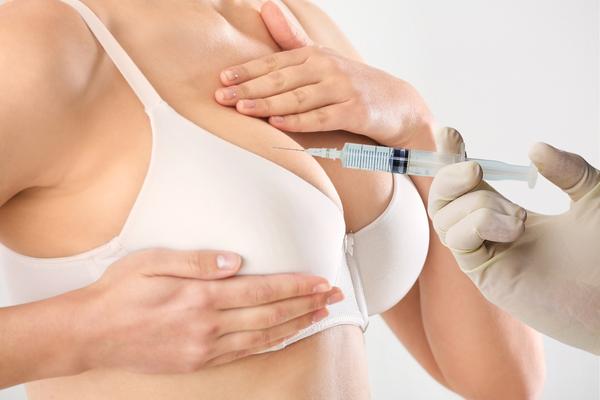
Hyaluronic acid (HA) fillers are occasionally used to add localized volume and improve contour. Performed by experienced clinicians, injections produce immediate fullness that typically lasts 6–18 months depending on product and metabolism.
https://aestheticsurgeryvietnam.com/what-is-nonsurgical-breast-augmentation
Autologous Fat Transfer
Fat grafting harvests fat from donor areas (abdomen, thighs) via liposuction, processes it, and injects it into the breast. This technique provides a natural feel and can offer longer-lasting results if grafted fat survives.
Vacuum Suction/Extender Devices
Mechanical breast pumps create negative pressure to temporarily increase blood flow and stretching of tissue. With consistent use over weeks to months, some users report modest, semi-permanent gains.
Energy-Based Treatments (RF, Ultrasound)
Radiofrequency and high-intensity focused ultrasound (HIFU) treatments tighten skin and stimulate collagen around the chest, improving lift and perceived fullness rather than adding true volume.
Hormonal Approaches (Medically Supervised)
Hormone therapy (estrogen/progestin) can influence breast tissue growth but is appropriate only under strict medical supervision, typically for gender-affirming care or treating hormonal deficiencies.
Expected Results and Longevity
Results vary by method and individual factors. Injectable fillers deliver immediate but temporary enhancement (months). Fat transfer can achieve more lasting volume, but not all transferred fat survives—expect partial retention and possible need for repeat sessions. Vacuum devices and energy treatments tend to produce subtler changes focused on lift and contour; improvements may require ongoing maintenance. Realistic expectations and consultation with a qualified practitioner are essential to assess achievable outcomes.
Typical Costs
Costs depend on the procedure, provider, and location: - Injectable fillers: cost per session varies widely; plan for repeat treatments. - Autologous fat transfer: higher upfront cost due to liposuction and grafting fees, but may be more cost-effective long term if results persist. - Vacuum devices: at-home devices are lower cost but require purchase and commitment; clinic-based systems are pricier. - Energy-based treatments: moderate per-session cost with multiple sessions often needed. Always obtain written estimates including all fees (clinic, anesthesia if any, follow-ups) and compare long-term costs including maintenance.
Risks and Safety Considerations
Nonsurgical does not mean risk-free. Potential complications include: - Infection, bruising, swelling, and pain - Lumps or unevenness (particularly with fillers or fat grafting) - Fat necrosis or calcifications after fat transfer, which can complicate breast imaging - Vascular compromise or rare severe complications with improper injection technique - Hormone therapy side effects and systemic risks Choose board-certified providers, verify clinic credentials, and ensure procedures are performed in an accredited facility when applicable. Ask about complication rates, management plans, and how the provider coordinates with your regular medical care.
Who Is a Good Candidate?
Good candidates are adults in overall good health seeking modest enhancement, improved contour, or a reversible trial before committing to surgery. Those seeking dramatic volume increases or correction of significant asymmetry are usually better served by surgical augmentation. Always disclose medical history, prior breast surgeries, and any medications to your provider.
Making an Informed Decision
Before proceeding, schedule a consultation to review goals, view before-and-after photos, and discuss realistic outcomes, recovery expectations, and total costs. Ask for patient testimonials and clear information on follow-up care and revision options.
https://theaestheticmuse.weebly.com/breast-augmention/how-to-minimize-breast-augmentation-scars-for-natural-results
Conclusion
Nonsurgical breast augmentation offers a spectrum of less-invasive options for modest enhancement, each with different costs, results, and risks. Careful research and consultation with qualified, credentialed clinicians will help you choose the safest and most effective approach for your goals. If you’d like, I can create a short meta description, a list of SEO keywords, or a 150-word summary for social media to accompany this article. Which would you like next?
 Bất Động Sản
 Thể Thao
 Công Nghiệp
 Trang Trí Nội Thất
 Dịch Vụ
 Sách & Học Tập
 Bách Hóa
 Nhà Cửa & Đời Sống
 Thời Trang Trẻ Em
 Mẹ Bé
Mẹ Bé
 Sức Khỏe
 Sắc Đẹp
 Phụ Kiện & Trang Sức Nữ
 Túi Ví Nữ
 Giày Dép Nữ
 Thời Trang Nữ
 Ba Lô & Túi Ví Nam
 Giày Dép Nam
 Thời Trang Nam
 Chăm Sóc Thú Cưng
 Đồng Hồ
 Đồ Chơi
 Ô tô & Xe Máy & Xe Đạp
 Thiết Bị Điện Gia Dụng
 Máy Ảnh & Máy Phim
 Máy Tính & Laptop
 Điện Thoại & Phụ Kiện
 Thiết Bị Điện Tử