9
9
 16/3/2026 10:18:45
  Toàn Quốc
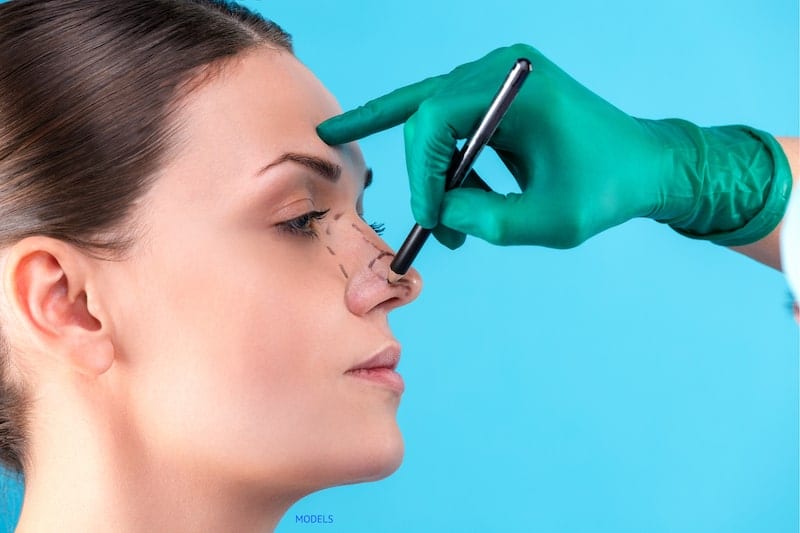
Rhinoplasty, commonly known as a nose job, is a popular cosmetic procedure that reshapes the nose for aesthetic or functional purposes. While many individuals look forward to their transformed appearance, the question often arises: Is rhinoplasty painful? Understanding the potential discomfort associated with this procedure is essential for anyone considering surgery. This article will address the pain levels typically experienced after rhinoplasty and provide five effective tips to manage discomfort during recovery.
The pain associated with rhinoplasty varies from person to person. Most patients report mild to moderate discomfort following the surgery. Here’s what you can generally expect:
https://aestheticsurgeryvietnam.com/is-rhinoplasty-painful
Your surgeon will provide specific post-operative care guidelines tailored to your individual needs. Following these instructions closely is essential. This may include:
Applying cold compresses to the area around your nose can significantly reduce swelling and discomfort. Here’s how to do it effectively:
Proper hydration and nutrition play a critical role in recovery. Here are some tips:
Allowing your body ample time to rest can contribute significantly to a smoother recovery:
Understanding what to expect during recovery can help alleviate anxiety about pain:
In summary, while rhinoplasty can involve discomfort, it is typically manageable with the right approach. Most patients experience only mild to moderate pain, particularly in the first few days post-surgery. By following your surgeon’s post-operative care instructions, using cold compresses, staying hydrated, allowing for rest, and managing expectations, you can effectively alleviate discomfort during your recovery.
Embrace your journey to a new nose with confidence, knowing that the pain is temporary and the results can be transformative. With effective pain management strategies, you’ll be well on your way to enjoying your enhanced appearance in no time!
36 4 ngày trước Toàn Quốc
10 50 phút trước Toàn Quốc
 Aesthetic123

 Liên kết: Soi Keo - Tip Bong Da